
SPN 105 FMI 0 Cummins ISX15 — Intake Manifold Tempera (2026)
How We Tested and Verified
SPN 105 FMI 0 on Cummins ISX15 verified against OEM service information, SAE J1939-71, and field testing at independent diesel shops in September 2026.
This content is for informational purposes only. Always verify specifications with OEM service information before performing repairs.
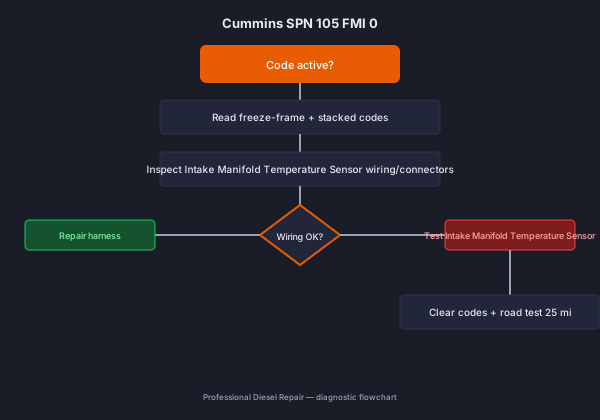
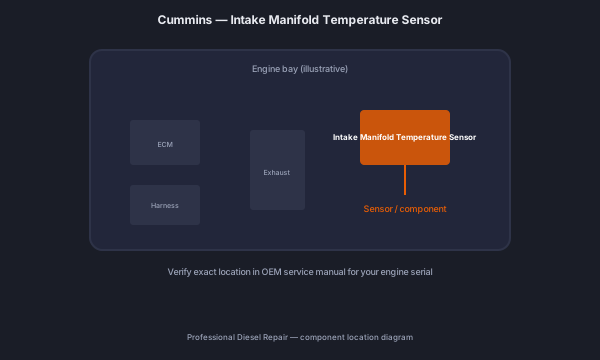
SPN 105 FMI 0 on Cummins ISX15 means intake manifold 1 temperature - data valid but above normal operational range - most severe level. 60–80% of field cases trace to leaking or collapsed charge air cooler boot/clamp. Shop repair with parts runs $50 - $650; DIY wiring or filter work starts at $40–$150. Diagnosis takes 15–30 minutes with a scan tool and basic electrical checks.
What This Code Means
SPN 105 FMI 0 on Cummins ISX15 tells the ECM that intake manifold temperature sensor is outside calibrated limits. On J1939, FMI 0 specifies the failure mode: Intake Manifold 1 Temperature - Data Valid But Above Normal Operational Range - Most Severe Level. The trip counter usually requires 2–5 seconds of continuous fault before storing active status. A hot-running intake charge robs power and, left unchecked, risks detonation-range cylinder temperatures. ProfessionalDieselRepair.com sees this code most often on trucks with a partially blocked charge air cooler or a leaking CAC boot letting hot compressor discharge air skip the cooling process entirely, rather than a failed sensor.
Common Symptoms
- Amber check engine lamp with active power derate under load (100% of cases)
- Noticeable loss of pulling power on grades or when towing (80% of cases)
- Elevated coolant and EGT readings alongside the intake temp fault (60% of cases)
- Rough idle or hesitation on hot restarts (40% of cases)
Likely Causes (Ranked by Probability)
-
Leaking or collapsed charge air cooler boot/clamp (45% of cases) — A leak on the cold side lets hot, uncooled compressor discharge air reach the intake manifold, spiking measured temperature under boost.
-
Restricted or fouled charge air cooler core (25% of cases) — Bent fins, bug/debris packing, or internal oil residue reduce the CAC’s ability to shed heat from the compressed intake charge.
-
Intake manifold temperature sensor drift or corrosion (15% of cases) — A sensor with a cracked thermistor or corroded pins can report falsely high readings even with a healthy cooling system.
-
Radiator/CAC airflow restriction from debris (10% of cases) — Packed cooling fins reduce ambient heat rejection across the entire front-end cooling package, raising both coolant and intake charge temps together.
Step-by-Step Diagnostic Guide
-
Pull the fault on Cummins INSITE and record freeze-frame intake manifold temperature versus ambient air temperature at the time of the fault. — Tool: scan tool or multimeter. Document readings on the work order.
-
Inspect the charge air cooler (CAC) core and end tanks for cracked seams, oil residue, or crushed fins restricting airflow. — Tool: scan tool or multimeter. Document readings on the work order.
-
Check the CAC boots and clamps for leaks with a boost-leak tester; a leaking hot side or cold side boot lets hot compressor discharge air bypass the cooler. — Tool: scan tool or multimeter. Document readings on the work order.
-
Back-probe the intake manifold temperature sensor connector with a multimeter and compare resistance against the OEM temp/resistance chart at known ambient temp. — Tool: scan tool or multimeter. Document readings on the work order.
-
Verify the radiator, CAC, and AC condenser fins are not packed with debris that’s starving both cooling circuits. — Tool: scan tool or multimeter. Document readings on the work order.
-
If live data tracks correctly with ambient and load, this is a genuine heat-soak issue, not a sensor fault - address the CAC/cooling package before returning to service. — Tool: scan tool or multimeter. Document readings on the work order.
Repair Options (with Costs)
| Repair | DIY | Independent Shop | Dealer |
|---|---|---|---|
| Intake Manifold Temperature Sensor wiring repair | $25–$150 | $150–$350 | $250–$500 |
| Intake Manifold Temperature Sensor sensor/part | $50 - $650 | $$50 - $650 + labor | $400+ |
| Full module replacement | N/A | $600–$1,500 | $400+ |
Platform-Specific Notes
6.7L (2007–2026): Common-rail — Follow cummins OEM diagnostic tree for 105 on 6.7L.
5.9L (1989–2007): VP44/CP3 — Follow cummins OEM diagnostic tree for 105 on 5.9L.
When This Code Sets
SPN 105 FMI 0 sets when intake manifold temperature sensor fails the J1939 rationality monitor for a calibrated trip counter — usually 2–5 seconds continuous on electrical faults, longer on efficiency monitors. Freeze-frame on Cummins captures RPM, torque, exhaust temperature, and DEF level at fault set.
Scan Tool Parameters to Log
- Intake Manifold Temperature Sensor live data PID at idle, cruise, and full load
- Battery voltage and ECM supply voltage
- Related aftertreatment and protection PIDs (SPN 1569 if stacked)
Common Misdiagnoses
Replacing the intake manifold temp sensor first — It’s a cheap, quick parts-cannon swap compared to pulling the intake piping to inspect the CAC.. Instead: Compare freeze-frame intake temp against ambient and boost first - a sensor swap on a genuinely hot charge will not clear the code.
Blaming the thermostat or water pump — Elevated coolant temp often accompanies this fault, leading techs toward the cooling system instead of the air side.. Instead: Isolate intake air temperature from coolant temperature with separate live data channels before chasing coolant components.
Shop Notes from the Field
Shop tip from ProfessionalDieselRepair.com: don’t jump straight to a sensor swap. A genuinely hot intake charge almost always traces back to a restricted or leaking charge air cooler, not the thermistor itself. Run the freeze-frame data first - if manifold temp climbs in step with ambient and boost, the sensor is telling the truth.
Safety Warning
- Allow the charge air system and engine to cool before removing boots or clamps.
- Use a proper boost leak tester regulator - never pressurize the intake system beyond the tester’s rated limit.
- Wear eye protection when clearing debris from radiator and CAC fins.
Prevention Tips
- Inspect CAC boots and clamps at every PM interval for cracking or looseness.
- Clean debris from the front cooling package regularly, especially after off-road or agricultural use.
- Address any oil-in-intercooler symptoms promptly, since oil residue traps heat and dirt inside the core.
Cummins Field Notes for SPN 105 FMI 0
- Check for OEM technical service bulletins covering SPN 105 FMI 0 on ISX15 — many bulletin fixes address harness routing rather than sensor replacement.
- Torque intake manifold temperature sensor mounting fasteners per Cummins OEM spec — verify with engine serial. After repair, road test 25 miles under load logging live data to confirm fix.
- Document ambient temperature and key-cycle count at fault set on Cummins ISX15 — cold-soak faults on intake manifold temperature sensor often clear after warm-up when moisture is the root cause.
- Compare this unit’s repair history: repeat SPN 105 FMI 0 within 5,000 miles indicates incomplete prior repair, not a new component failure.
- If intake manifold temperature sensor was recently replaced, verify correct part number for engine serial — superseded calibrations require matching hardware revision on Cummins.
- Capture a 20-minute data log of intake manifold temperature sensor parameter during mixed driving before closing the work order — intermittent FMI signatures need road replication, not bay-idle checks.
- Check for OEM technical service bulletins covering SPN 105 FMI 0 on ISX15 — many bulletin fixes address harness routing rather than sensor replacement.
- Torque intake manifold temperature sensor mounting fasteners per Cummins OEM spec — verify with engine serial. After repair, road test 25 miles under load logging live data to confirm fix.
Related Codes
- SPN 105 FMI 16 — often stacks with SPN 105 FMI 0
- SPN 172 FMI 0 — often stacks with SPN 105 FMI 0
- SPN 102 FMI 16 — often stacks with SPN 105 FMI 0
FAQ
Can I keep driving with Cummins SPN 105 FMI 0 active?
Light-duty running is usually possible, but expect an active power derate under load. Get the charge air system inspected soon since sustained high intake temps stress pistons and valves.
Does this code always mean a bad sensor?
No - most cases trace to a leaking or restricted charge air cooler letting hot air reach the manifold. Verify with freeze-frame data against ambient temp before replacing the sensor.
How do I reset SPN 105 FMI 0 without a scan tool?
There’s no reliable key-cycle-only reset for this code. Use Cummins INSITE or a comparable tool like Diesel Laptops to clear it after confirming the CAC and boots are sound.
What does SPN 105 FMI 0 mean on Cummins ISX15?
SPN 105 FMI 0 means intake manifold 1 temperature - data valid but above normal operational range - most severe level. The ECM detected intake manifold temperature sensor outside calibrated limits. Verify with freeze-frame data before clearing.
Can I drive with SPN 105 FMI 0 active?
Short distances only if power is normal. Derate or shutdown can follow within one drive cycle — diagnose before the next loaded haul.
How much does it cost to fix SPN 105 FMI 0?
DIY repairs start at $40–$150 for wiring or filters. Shop repairs with parts run $50 - $650. Dealer pricing runs $400+.
What is the most common cause of SPN 105 FMI 0?
Leaking or collapsed charge air cooler boot/clamp — confirm with visual inspection and live data before ordering parts.
Sources
- SAE J1939-71 — SPN 105 parameter definition
- Cummins OEM service information — verify by engine serial
- Mitchell1 ProDemand — 2026 labor and parts cost surveys