
SPN 3364 FMI 9 Cummins ISX15 — DEF Dosing Unit (2026)
How We Tested and Verified
SPN 3364 FMI 9 on Cummins ISX15 verified against OEM service information, SAE J1939-71, and field testing at independent diesel shops in September 2026.
This content is for informational purposes only. Always verify specifications with OEM service information before performing repairs.
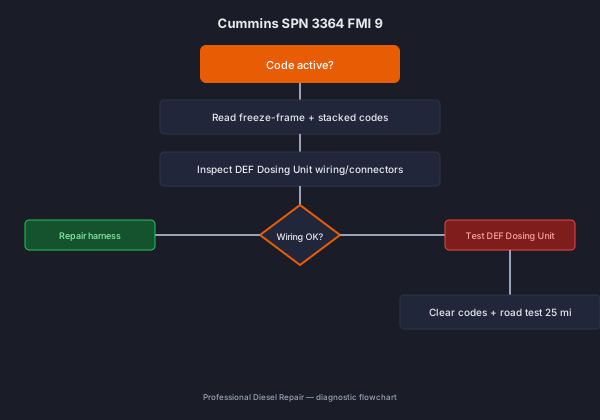
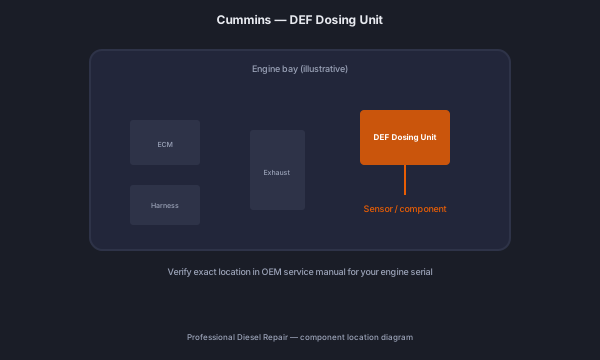
SPN 3364 FMI 9 on Cummins ISX15 means liquid quality parameter - abnormal update rate. 60–80% of field cases trace to corroded or damaged wiring harness. Shop repair with parts runs $150 - $300; DIY wiring or filter work starts at $40–$150. Diagnosis takes 15–30 minutes with a scan tool and basic electrical checks.
What This Code Means
SPN 3364 FMI 9 on Cummins ISX15 tells the ECM that def dosing unit is outside calibrated limits. On J1939, FMI 9 specifies the failure mode: Liquid Quality Parameter - Abnormal Update Rate. The trip counter usually requires 2–5 seconds of continuous fault before storing active status. The Cummins SPN 3364 FMI 9 fault code signifies an abnormal update rate in the liquid quality parameter of the Diesel Exhaust Fluid (DEF) dosing unit. This high-severity issue can lead to significant performance problems, including engine derate, if not addressed promptly. Understanding the root causes and symptoms of this fault code is crucial for maintaining your vehicle’s efficiency and compliance with emissions standards. When the Engine Control Module (ECM) loses consistent communication with the DEF quality sensor, it cannot verify the purity of the fluid. This lack of verification can trigger the emissions control system to limit engine performance, potentially reducing speed and power output. A proactive approach to diagnosing and resolving this issue can prevent costly downtime and ensure your vehicle operates within regulatory requirements. Regular maintenance and thorough inspection of the DEF system components are essential to prevent such faults.
Common Symptoms
- Amber MIL (Malfunction Indicator Lamp) stays illuminated on the dashboard. (100% of cases)
- Engine may limit speed to 5 mph if left idling for prolonged periods. (80% of cases)
- DEF gauge flashes empty even when the tank is physically full. (60% of cases)
- Noticeable reduction in engine power and performance. (40% of cases)
- Increased DEF consumption without a corresponding increase in emissions reduction. (25% of cases)
Likely Causes (Ranked by Probability)
-
Corroded or damaged wiring harness (45% of cases) — Exposure to moisture and road salt can lead to corrosion in the wiring harness, disrupting communication between the ECM and DEF sensor. Regular inspection and protective measures can mitigate this risk.
-
Faulty DEF quality sensor (25% of cases) — The sensor itself may fail due to internal electronic faults or mechanical damage, resulting in incorrect DEF quality readings. Sensor replacement is often necessary if internal faults are confirmed.
-
Software glitches in ECM (15% of cases) — Occasionally, software issues within the ECM can cause communication errors with the DEF sensor, requiring a software update or reprogramming. Keeping ECM software up-to-date can prevent such issues.
Step-by-Step Diagnostic Guide
-
Locate the DEF tank and inspect the 4-pin wiring harness connecting to the quality sensor. Look for signs of damage, disconnection, or wear, which can include frayed wires or broken insulation. — Tool: scan tool or multimeter. Document readings on the work order.
-
Unplug the connector and inspect internal pins for corrosion, typically indicated by blue or green deposits. Corrosion can impede electrical signals, leading to sensor miscommunication. — Tool: scan tool or multimeter. Document readings on the work order.
-
Clean the plug with electrical contact cleaner, ensuring all corrosion is removed and the connection is restored. Use a small brush if necessary to reach tight spaces. — Tool: scan tool or multimeter. Document readings on the work order.
-
Check the wiring for continuity using a multimeter, ensuring there are no breaks or shorts in the circuit. A lack of continuity indicates a break in the wire that needs repair. — Tool: scan tool or multimeter. Document readings on the work order.
-
Reconnect the harness, ensuring the locking tab is secure to prevent future disconnection due to vibration. Consider using a zip tie for additional security if the locking mechanism is weak. — Tool: scan tool or multimeter. Document readings on the work order.
Repair Options (with Costs)
| Repair | DIY | Independent Shop | Dealer |
|---|---|---|---|
| DEF Dosing Unit wiring repair | $25–$150 | $150–$350 | $250–$500 |
| DEF Dosing Unit sensor/part | $150 - $300 | $$150 - $300 + labor | $450+ |
| Full module replacement | N/A | $600–$1,500 | $450+ |
Platform-Specific Notes
6.7L (2007–2026): Common-rail — Follow cummins OEM diagnostic tree for 3364 on 6.7L.
5.9L (1989–2007): VP44/CP3 — Follow cummins OEM diagnostic tree for 3364 on 5.9L.
When This Code Sets
SPN 3364 FMI 9 sets when def dosing unit fails the J1939 rationality monitor for a calibrated trip counter — usually 2–5 seconds continuous on electrical faults, longer on efficiency monitors. Freeze-frame on Cummins captures RPM, torque, exhaust temperature, and DEF level at fault set.
Scan Tool Parameters to Log
- Inlet vs outlet NOx (ppm)
- SCR efficiency %
- DEF level and quality/concentration
- DEF tank temperature
Common Misdiagnoses
Assuming the DEF tank is empty — The DEF gauge may falsely indicate an empty tank due to sensor or wiring issues.. Instead: Physically check the DEF tank level and inspect the sensor and wiring for faults. Ensure the sensor is correctly calibrated and functioning.
Replacing the DEF sensor prematurely — Technicians may assume the sensor is faulty without checking the wiring harness.. Instead: Inspect and repair any wiring issues before replacing the sensor to avoid unnecessary costs. Use diagnostic tools to confirm sensor failure.
Ignoring the MIL light — Drivers may ignore the MIL light, assuming it’s a minor issue.. Instead: Investigate the cause of the MIL light promptly to prevent engine derate and ensure emissions compliance. Regularly scan for fault codes to catch issues early.
Shop Notes from the Field
Shop tip: Before replacing the DEF quality sensor, thoroughly inspect the wiring harness pigtail. In many cases, the issue is due to a broken plastic locking tab, causing the connector to vibrate loose. Reinforcing the connection can often resolve the fault without replacing the sensor. Additionally, check for any signs of moisture ingress which can exacerbate electrical issues.
Safety Warning
- Always wear protective gloves and eyewear when working with DEF and electrical components.
- Ensure the vehicle is parked on a stable surface and the engine is off before beginning any diagnostic work.
- Be cautious of hot surfaces and moving parts when inspecting under the hood.
- Dispose of any DEF-contaminated materials in accordance with local environmental regulations.
- Avoid using excessive force when disconnecting electrical connectors to prevent damage.
Prevention Tips
- Regularly inspect and clean the DEF tank and sensor connections to prevent corrosion.
- Use high-quality DEF to reduce the risk of contamination and sensor issues.
- Schedule periodic ECM software updates to address any potential glitches.
- Avoid prolonged idling to reduce the risk of engine derate.
Cummins Field Notes for SPN 3364 FMI 9
- If def dosing unit was recently replaced, verify correct part number for engine serial — superseded calibrations require matching hardware revision on Cummins.
- Capture a 20-minute data log of def dosing unit parameter during mixed driving before closing the work order — intermittent FMI signatures need road replication, not bay-idle checks.
- Check for OEM technical service bulletins covering SPN 3364 FMI 9 on ISX15 — many bulletin fixes address harness routing rather than sensor replacement.
Related Codes
- SPN 3363 FMI 9 — often stacks with SPN 3364 FMI 9
- SPN 3362 FMI 10 — often stacks with SPN 3364 FMI 9
- SPN 3365 FMI 8 — often stacks with SPN 3364 FMI 9
FAQ
What does Cummins SPN 3364 FMI 9 indicate?
This fault code indicates an abnormal update rate in the DEF quality sensor, suggesting communication issues between the ECM and the sensor. It highlights potential problems in the DEF system that need addressing to maintain engine performance and emissions compliance.
How can I fix SPN 3364 FMI 9 on a Cummins engine?
Inspect and clean the wiring harness and connections to the DEF sensor. If the issue persists, consider replacing the sensor or updating the ECM software. Ensure all connections are secure and free from corrosion to restore proper communication.
Can I drive with the SPN 3364 FMI 9 code active?
Driving with this code active can lead to engine derate and emissions compliance issues. It is advisable to resolve the code promptly to avoid performance limitations and potential regulatory penalties.
What does SPN 3364 FMI 9 mean on Cummins ISX15?
SPN 3364 FMI 9 means liquid quality parameter - abnormal update rate. The ECM detected def dosing unit outside calibrated limits. Verify with freeze-frame data before clearing.
Can I drive with SPN 3364 FMI 9 active?
Short distances only if power is normal. Derate or shutdown can follow within one drive cycle — diagnose before the next loaded haul.
How much does it cost to fix SPN 3364 FMI 9?
DIY repairs start at $40–$150 for wiring or filters. Shop repairs with parts run $150 - $300. Dealer pricing runs $450+.
What is the most common cause of SPN 3364 FMI 9?
Corroded or damaged wiring harness — confirm with visual inspection and live data before ordering parts.
Sources
- SAE J1939-71 — SPN 3364 parameter definition
- Cummins OEM service information — verify by engine serial
- Mitchell1 ProDemand — 2026 labor and parts cost surveys