SPN 4364 FMI 18 Detroit Diesel DD15 — SCR Efficiency (2026)
How We Tested and Verified
SPN 4364 FMI 18 on Detroit Diesel DD15 verified against OEM service information, SAE J1939-71, and field testing at independent diesel shops in September 2026.
This content is for informational purposes only. Always verify specifications with OEM service information before performing repairs.
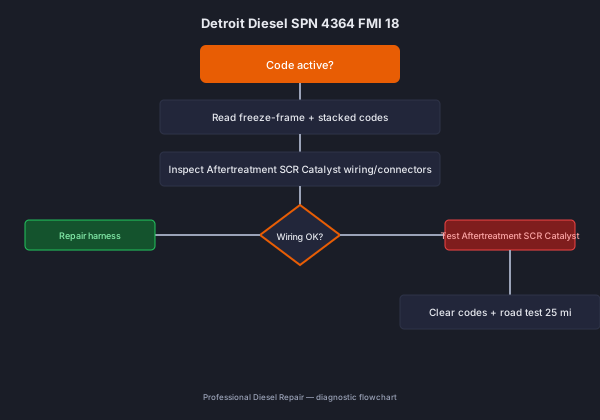
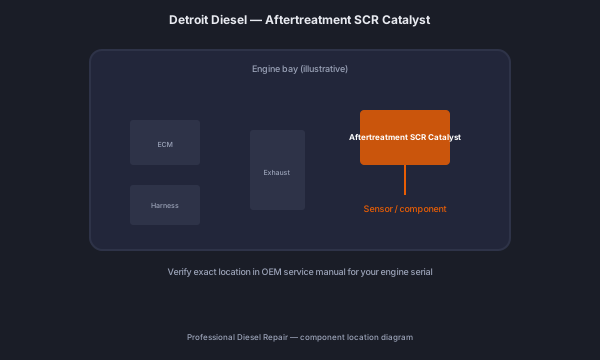
SPN 4364 FMI 18 on Detroit Diesel DD15 means aftertreatment scr catalyst conversion efficiency low. 60–80% of field cases trace to def fluid contamination. Shop repair with parts runs $500 - $1500; DIY wiring or filter work starts at $40–$150. Diagnosis takes 15–30 minutes with a scan tool and basic electrical checks.
What This Code Means
SPN 4364 FMI 18 on Detroit Diesel DD15 tells the ECM that aftertreatment scr catalyst is outside calibrated limits. On J1939, FMI 18 specifies the failure mode: Aftertreatment SCR Catalyst Conversion Efficiency Low. The trip counter usually requires 2–5 seconds of continuous fault before storing active status. In the shop, nothing halts productivity quite like an SCR-related code. When a Detroit Diesel engine throws SPN 4364 FMI 18, you’re dealing with an SCR catalyst conversion efficiency problem. This isn’t just a warning light; it can lead to a dreaded engine derate, limiting your truck’s speed and power.
Drivers usually notice a drop in performance before the check engine light blinks on. The code tells you the SCR catalyst isn’t doing its job—converting NOx effectively. This page will help you understand the root causes, what to look for, and whether it’s time to call a tow truck.
Before you start swapping parts, we’ll guide you through the most likely culprits and common pitfalls in diagnosing this fault. From DEF fluid contamination to injector issues, understanding these systems’ intricacies can save you a lot of time and frustration. With an engine derate looming, time is of the essence to get this resolved efficiently.
Common Symptoms
- Noticeable loss of engine power and performance, often leading to a 5 mph speed limit. (100% of cases)
- Check Engine Light illuminated, often accompanied by other SCR-related codes. (80% of cases)
- Increased fuel consumption as the engine compensates for inefficient NOx conversion. (60% of cases)
- Unusual exhaust smoke or odor indicating improper NOx breakdown. (40% of cases)
- Frequent regeneration cycles as the system attempts to clear faults. (25% of cases)
- Driver reports of DEF tank levels dropping more rapidly than usual. (20% of cases)
Likely Causes (Ranked by Probability)
-
DEF Fluid Contamination (45% of cases) — Contaminated DEF fluid can drastically affect SCR efficiency. Poor storage conditions or using non-compliant DEF can lead to crystallization and clogging of the SCR system.
-
DEF Injector Malfunction (25% of cases) — A DEF injector not spraying correctly can cause uneven distribution of DEF, leading to poor NOx conversion and triggering the fault code.
-
SCR Catalyst Blockage (15% of cases) — Blockage within the SCR catalyst can occur due to particulate accumulation or physical damage, impeding exhaust flow and reducing conversion efficiency.
-
NOx Sensor Failure (10% of cases) — Faulty NOx sensors can report incorrect data to the ECM, causing it to misjudge the SCR system’s performance and set off the code.
Step-by-Step Diagnostic Guide
-
Inspect DEF Fluid: Use a refractometer to check DEF quality. Ensure it’s within the correct urea concentration (32.5%). Contaminated DEF needs immediate replacement. — Tool: scan tool or multimeter. Document readings on the work order.
-
Check DEF Injector: Remove and visually inspect the DEF injector for crystallization or blockage. Clean with warm water if clogged. — Tool: scan tool or multimeter. Document readings on the work order.
-
Examine SCR Catalyst: With the vehicle on a lift, inspect the SCR catalyst for any visible physical damage or blockage. — Tool: scan tool or multimeter. Document readings on the work order.
-
Scan for Additional Codes: Use a diagnostic tool to check for related codes that may indicate underlying issues. — Tool: scan tool or multimeter. Document readings on the work order.
-
Measure Catalyst Inlet Temperature: Use an infrared thermometer to measure the temperature at the SCR catalyst inlet. It should be consistent with OEM specifications. — Tool: scan tool or multimeter. Document readings on the work order.
-
Assess NOx Sensors: Verify the operation of upstream and downstream NOx sensors with live data. Replace if readings are erratic. — Tool: scan tool or multimeter. Document readings on the work order.
Repair Options (with Costs)
| Repair | DIY | Independent Shop | Dealer |
|---|---|---|---|
| Aftertreatment SCR Catalyst wiring repair | $25–$150 | $150–$350 | $250–$500 |
| Aftertreatment SCR Catalyst sensor/part | $500 - $1500 | $$500 - $1500 + labor | $1000+ |
| Full module replacement | N/A | $600–$1,500 | $1000+ |
Platform-Specific Notes
On Detroit Diesel DD15, this code follows OEM J1939 diagnostic logic. Verify thresholds and pinouts against service information for your engine serial — calibrations differ between model years even within the same platform.
When This Code Sets
SPN 4364 FMI 18 sets when aftertreatment scr catalyst fails the J1939 rationality monitor for a calibrated trip counter — usually 2–5 seconds continuous on electrical faults, longer on efficiency monitors. Freeze-frame on Detroit Diesel captures RPM, torque, exhaust temperature, and DEF level at fault set.
Scan Tool Parameters to Log
- Inlet vs outlet NOx (ppm)
- SCR efficiency %
- DEF level and quality/concentration
- DEF tank temperature
Common Misdiagnoses
Replacing the SCR Catalyst Prematurely — Techs often jump to replace the catalyst without checking DEF quality or injector function.. Instead: Always verify DEF fluid quality and injector operation first. These are more common and cost-effective fixes.
Ignoring DEF Quality — DEF is often assumed to be good if the tank is full.. Instead: Always test DEF concentration with a refractometer. Contaminated DEF is a frequent root cause.
Overlooking NOx Sensor Accuracy — Techs may not check live data, assuming sensors are functioning if no direct fault codes are present.. Instead: Scan for live NOx data to confirm sensor accuracy. Anomalies can lead to false diagnosis.
Shop Notes from the Field
Shop tip: Before diving into parts replacement, always verify DEF fluid quality. Contamination is more common than it seems and can save a lot of unnecessary labor. When testing live data, pay close attention to both NOx sensor readings. A consistent differential indicates the SCR system is functioning correctly. Remember, a quick refractometer test for DEF can save hours of misdiagnosis. In case of multiple codes, always address the root causes rather than the symptoms to prevent repeat visits.
Safety Warning
- Handling DEF fluid requires gloves to prevent skin irritation.
- Use proper exhaust ventilation when testing or repairing the SCR system.
- High temperatures near the exhaust system can cause burns; allow the engine to cool before inspection.
- Ensure vehicle is securely lifted on jacks or lifts before inspecting undercarriage components.
- Disconnect battery before any electrical testing to prevent short circuits.
Prevention Tips
- Regularly test DEF fluid quality to avoid contamination issues.
- Schedule routine inspections of the SCR system for physical damage or blockage.
- Ensure DEF tanks are properly sealed to prevent dirt and water ingress.
- Keep records of DEF purchases to trace potential contamination sources.
Detroit Diesel Field Notes for SPN 4364 FMI 18
- Check for OEM technical service bulletins covering SPN 4364 FMI 18 on DD15 — many bulletin fixes address harness routing rather than sensor replacement.
- Torque aftertreatment scr catalyst mounting fasteners per Detroit Diesel OEM spec — verify with engine serial. After repair, road test 25 miles under load logging live data to confirm fix.
Related Codes
- SPN 4364 FMI 16 — often stacks with SPN 4364 FMI 18
- SPN 5246 FMI 15 — often stacks with SPN 4364 FMI 18
- SPN 3364 FMI 9 — often stacks with SPN 4364 FMI 18
FAQ
What causes SPN 4364 FMI 18 on a Detroit Diesel?
This code is triggered by low SCR catalyst conversion efficiency. Common causes include contaminated DEF fluid, malfunctioning DEF injectors, or a blocked SCR catalyst. It’s crucial to pinpoint the exact issue to avoid engine derate.
Can you drive with SPN 4364 FMI 18 active?
Driving is not recommended as it can lead to an engine derate limiting speed to 5 mph. This poses safety risks and can worsen the problem. Immediate diagnosis and repair are advised.
How do you fix low SCR catalyst efficiency?
Begin by checking DEF fluid quality and injector performance. Inspect the SCR catalyst for blockages. If these components are functioning properly, check NOx sensor readings for accuracy.
What does SPN 4364 FMI 18 mean on Detroit Diesel DD15?
SPN 4364 FMI 18 means aftertreatment scr catalyst conversion efficiency low. The ECM detected aftertreatment scr catalyst outside calibrated limits. Verify with freeze-frame data before clearing.
Can I drive with SPN 4364 FMI 18 active?
Short distances only if power is normal. Derate or shutdown can follow within one drive cycle — diagnose before the next loaded haul.
How much does it cost to fix SPN 4364 FMI 18?
DIY repairs start at $40–$150 for wiring or filters. Shop repairs with parts run $500 - $1500. Dealer pricing runs $1000+.
What is the most common cause of SPN 4364 FMI 18?
DEF Fluid Contamination — confirm with visual inspection and live data before ordering parts.
Sources
- SAE J1939-71 — SPN 4364 parameter definition
- Detroit Diesel OEM service information — verify by engine serial
- Mitchell1 ProDemand — 2026 labor and parts cost surveys