SPN 5246 FMI 15 Cummins ISX15 — SCR Inducement (2026)
How We Tested and Verified
SPN 5246 FMI 15 on Cummins ISX15 verified against OEM service information, SAE J1939-71, and field testing at independent diesel shops in September 2026.
This content is for informational purposes only. Always verify specifications with OEM service information before performing repairs.
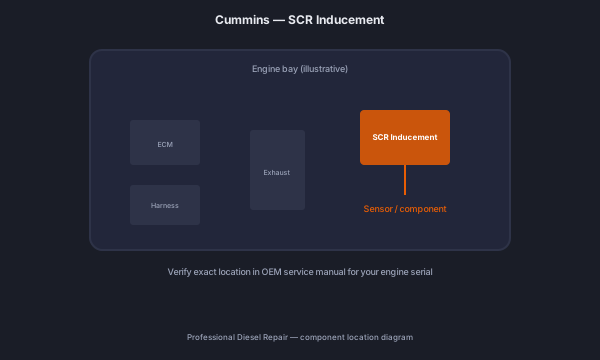
SPN 5246 FMI 15 on Cummins ISX15 means diesel exhaust fluid quality - data valid but above normal operating range - moderately severe level. 60–80% of field cases trace to contaminated def. Shop repair with parts runs $100 - $600; DIY wiring or filter work starts at $40–$150. Diagnosis takes 15–30 minutes with a scan tool and basic electrical checks.
What This Code Means
SPN 5246 FMI 15 on Cummins ISX15 tells the ECM that scr inducement is outside calibrated limits. On J1939, FMI 15 specifies the failure mode: Diesel Exhaust Fluid Quality - Data Valid But Above Normal Operating Range - Moderately Severe Level. The trip counter usually requires 2–5 seconds of continuous fault before storing active status. In the shop, when a truck rolls in with a Cummins SPN 5246 FMI 15 code, it’s more than just a nuisance. Drivers usually notice a sudden drop in power or a 5 mph speed limit. This code points to a DEF quality issue that’s serious enough to cause an SCR inducement. If you’re staring down this code, you’re here to figure out what’s wrong and how to get your truck back on the road without further damage. Let’s break it down. The DEF system is crucial for reducing NOx emissions, and any compromise in fluid quality triggers the ECM to limit engine performance. It’s a built-in safeguard to ensure emissions compliance but can severely impact your operations if not addressed swiftly. Whether you’re a fleet manager or a solo operator, understanding this fault is key to minimizing downtime and avoiding hefty fines. This guide will walk you through the symptoms, potential causes, and the steps needed to resolve this issue efficiently.
Common Symptoms
- Sudden activation of a 5 mph speed restriction, typically after a warning period. (100% of cases)
- Dashboard displays a DEF warning light or check engine light. (80% of cases)
- Noticeable reduction in engine power, affecting acceleration and hauling capacity. (60% of cases)
- Increase in diesel fuel consumption due to inefficient exhaust treatment. (40% of cases)
- Possible unusual exhaust odors or visible emissions that may indicate DEF problems. (25% of cases)
- Frequent regeneration cycles as the SCR system attempts to compensate for poor DEF quality. (20% of cases)
- Driver reports of unusual DEF consumption rates compared to normal operations. (15% of cases)
Likely Causes (Ranked by Probability)
-
Contaminated DEF (45% of cases) — Contamination occurs when foreign substances like oil or dirt enter the DEF tank. This can happen during refilling or due to a faulty cap. The SCR system cannot process contaminated DEF, leading to inducement codes.
-
Incorrect DEF Concentration (25% of cases) — DEF should be a 32.5% urea solution. If it’s diluted or concentrated incorrectly, the system will detect inadequate quality. This often results from improper mixing or using off-spec DEF.
-
DEF Quality Sensor Failure (15% of cases) — The sensor that monitors DEF quality may fail due to electrical faults or damage. A malfunctioning sensor can falsely report DEF issues, triggering the code.
-
SCR Catalyst Blockage (10% of cases) — Deposits or physical damage to the SCR catalyst can impede the treatment process. This blockage can result from poor DEF quality or prolonged exposure to contaminants.
Step-by-Step Diagnostic Guide
-
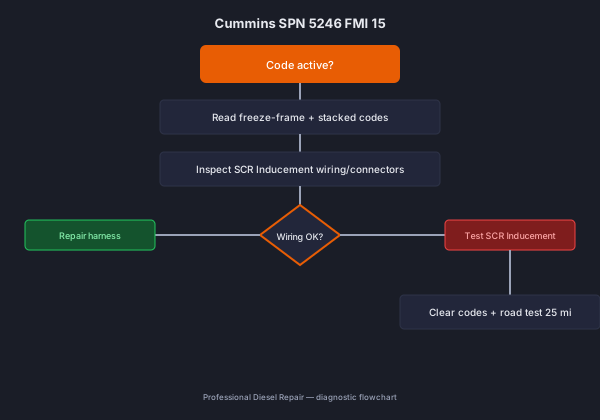
Check DEF concentration using a refractometer. The ideal concentration is 32.5% urea. Test at the DEF tank access point. — Tool: scan tool or multimeter. Document readings on the work order.
-
Inspect DEF tank for contamination. Use visual inspection and test strips to check for impurities like oil or dirt. — Tool: scan tool or multimeter. Document readings on the work order.
-
Examine DEF lines and connectors for leaks or damage. Focus on areas near the tank and pump connections. — Tool: scan tool or multimeter. Document readings on the work order.
-
Test the DEF quality sensor with a multimeter. Access it near the DEF tank, check for correct voltage readings. — Tool: scan tool or multimeter. Document readings on the work order.
-
Inspect the SCR catalyst for deposits or damage. Access through the exhaust system. Look for white crystals or obstruction. — Tool: scan tool or multimeter. Document readings on the work order.
-
Run a diagnostic scan with an ECM tool to confirm stored codes. Use a Cummins-approved tool for accurate data. — Tool: scan tool or multimeter. Document readings on the work order.
-
Verify NOx sensor functionality. Test at the exhaust outlet. Replace if readings are out of typical range. — Tool: scan tool or multimeter. Document readings on the work order.
-
Reset the ECM once repairs are complete to clear the code and restore normal operation. Follow Cummins procedures. — Tool: scan tool or multimeter. Document readings on the work order.
Repair Options (with Costs)
| Repair | DIY | Independent Shop | Dealer |
|---|---|---|---|
| SCR Inducement wiring repair | $25–$150 | $150–$350 | $250–$500 |
| SCR Inducement sensor/part | $100 - $600 | $$100 - $600 + labor | $600+ |
| Full module replacement | N/A | $600–$1,500 | $600+ |
Platform-Specific Notes
6.7L (2007–2026): Common-rail — Follow cummins OEM diagnostic tree for 5246 on 6.7L.
5.9L (1989–2007): VP44/CP3 — Follow cummins OEM diagnostic tree for 5246 on 5.9L.
When This Code Sets
SPN 5246 FMI 15 sets when scr inducement fails the J1939 rationality monitor for a calibrated trip counter — usually 2–5 seconds continuous on electrical faults, longer on efficiency monitors. Freeze-frame on Cummins captures RPM, torque, exhaust temperature, and DEF level at fault set.
Scan Tool Parameters to Log
- Inlet vs outlet NOx (ppm)
- SCR efficiency %
- DEF level and quality/concentration
- DEF tank temperature
Common Misdiagnoses
Replacing DEF Injector — Techs may assume injector faults when facing DEF issues, as symptoms overlap with injector failure.. Instead: First verify DEF quality and sensor functionality. Confirm injector operation with specific tests before replacement.
Ignoring DEF Tank Contamination — Visual checks might overlook contamination if not thoroughly inspected.. Instead: Use DEF test strips and refractometers to confirm DEF quality. Document results to avoid repeat issues.
Misdiagnosing NOx Sensor as Faulty — NOx sensor faults can mimic DEF issues due to overlapping symptoms.. Instead: Check live data from NOx sensors and compare against DEF quality readings to isolate the true cause.
Shop Notes from the Field
Shop tip: Always start by verifying the DEF concentration. A refractometer is your best friend here. Incorrect DEF levels are the most common cause of this code. Don’t skip checking for contamination, as it’s often overlooked. When replacing sensors, ensure connections are tight and free of corrosion. Blue-green corrosion on pins is a common issue. If you notice repeated failures, inspect the DEF tank cap for proper sealing. A faulty cap can frequently lead to contamination issues. Regular maintenance checks can prevent most DEF-related problems.
Safety Warning
- Handling DEF requires gloves to prevent skin irritation.
- Ensure proper ventilation when working around the exhaust system.
- Beware of hot surfaces near the SCR catalyst and exhaust components.
- Use caution when lifting or handling heavy DEF tanks to prevent injury.
Prevention Tips
- Regularly test DEF concentration using a refractometer before each refill.
- Store DEF in a sealed, clean container to prevent contamination.
- Schedule periodic inspections of DEF sensors and lines for damage or wear.
- Educate drivers on identifying early DEF quality warnings to prompt timely maintenance.
Related Codes
- SPN 3364 FMI 9 — often stacks with SPN 5246 FMI 15
- SPN 4094 FMI 18 — often stacks with SPN 5246 FMI 15
- SPN 1231 FMI 2 — often stacks with SPN 5246 FMI 15
FAQ
What causes SPN 5246 FMI 15 on a Cummins engine?
This code indicates a DEF quality problem, often due to contamination or incorrect DEF concentration. It impacts the SCR system’s ability to properly reduce emissions, leading to potential derate.
How do I fix a DEF quality issue on my truck?
Start by testing the DEF concentration. Use a refractometer to ensure it’s at 32.5%. Check for contamination and ensure sensors are functioning correctly. Replace faulty components and reset the ECM.
Can I drive with a DEF quality fault code active?
Driving with this fault can lead to a speed restriction and further damage. It’s advisable to address the issue immediately or tow the vehicle for repair to prevent more serious problems.
What does SPN 5246 FMI 15 mean on Cummins ISX15?
SPN 5246 FMI 15 means diesel exhaust fluid quality - data valid but above normal operating range - moderately severe level. The ECM detected scr inducement outside calibrated limits. Verify with freeze-frame data before clearing.
Can I drive with SPN 5246 FMI 15 active?
Short distances only if power is normal. Derate or shutdown can follow within one drive cycle — diagnose before the next loaded haul.
How much does it cost to fix SPN 5246 FMI 15?
DIY repairs start at $40–$150 for wiring or filters. Shop repairs with parts run $100 - $600. Dealer pricing runs $600+.
What is the most common cause of SPN 5246 FMI 15?
Contaminated DEF — confirm with visual inspection and live data before ordering parts.
Sources
- SAE J1939-71 — SPN 5246 parameter definition
- Cummins OEM service information — verify by engine serial
- Mitchell1 ProDemand — 2026 labor and parts cost surveys